Master Planning: More Than Just Efficiency?
CEAT’s facility is more than a manufacturing hub—it is a catalyst for redefining the region’s identity and encouraging collaboration among industries in the area. By Palak Jhunjhunwala, Beyond Design
Master planning is often seen as a technical exercise—a matter of maximizing efficiency, optimizing logistics, and ensuring functionality. But can it be more? Can it create a space rooted in identity, shaped by the narratives of people and place?
This was the driving question behind Beyond Design’s approach to designing the flagship manufacturing plant for CEAT Tyres in the Oragadam Industrial Corridor near Chennai, India. Instead of starting with layouts and spreadsheets, we began with stories, insights, and aspirations.
The project focuses on creating a new masterplan for CEAT Tyres’ Chennai manufacturing plant, driven by a compelling narrative that sets the foundation for a cohesive approach to all future development on the site. Beyond Design, a team of architects and master planners, is leading the effort, collaborating with Concept Culture and Rumi Bose to bring this vision to life.
Exploration and Immersion
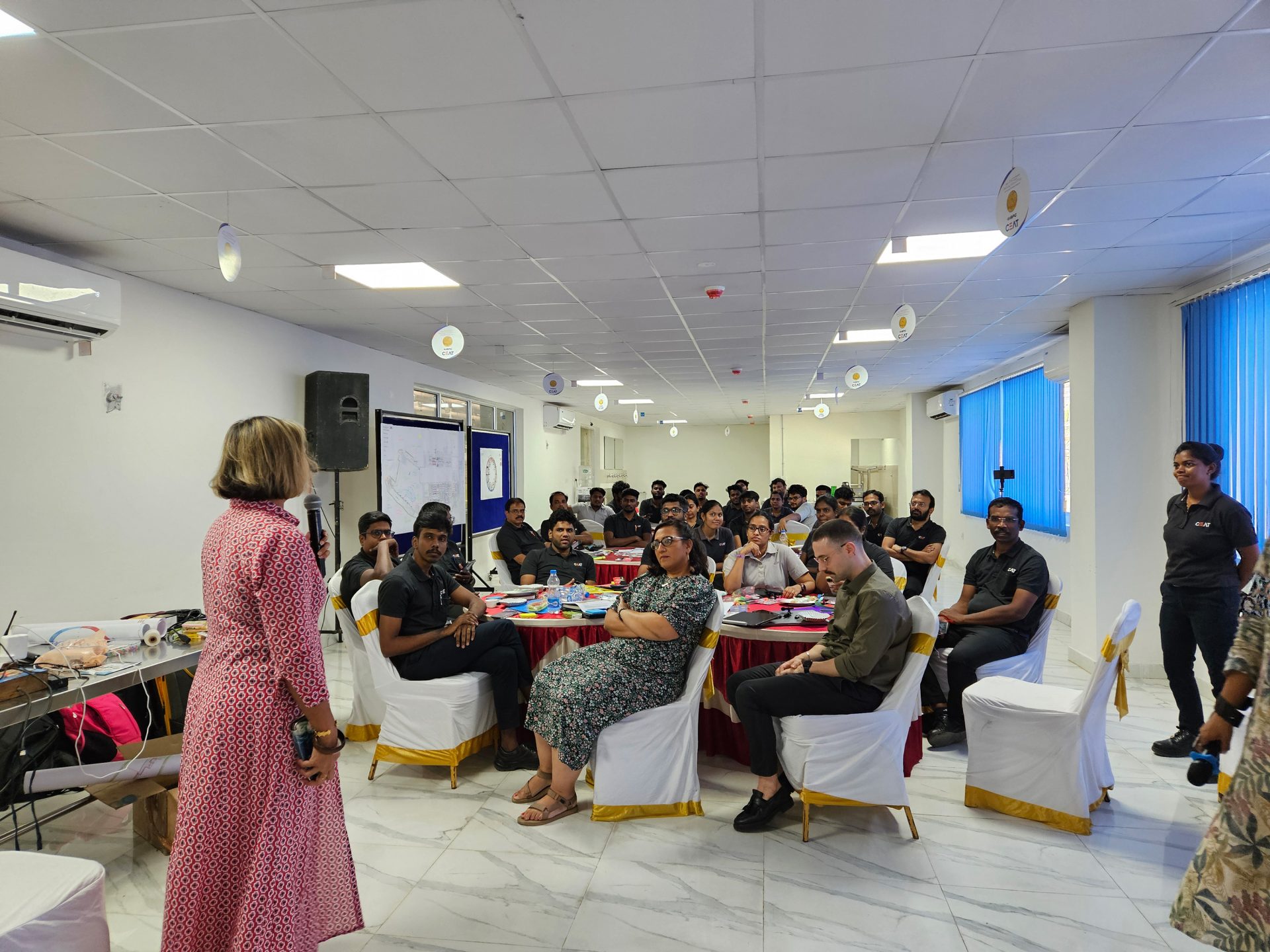
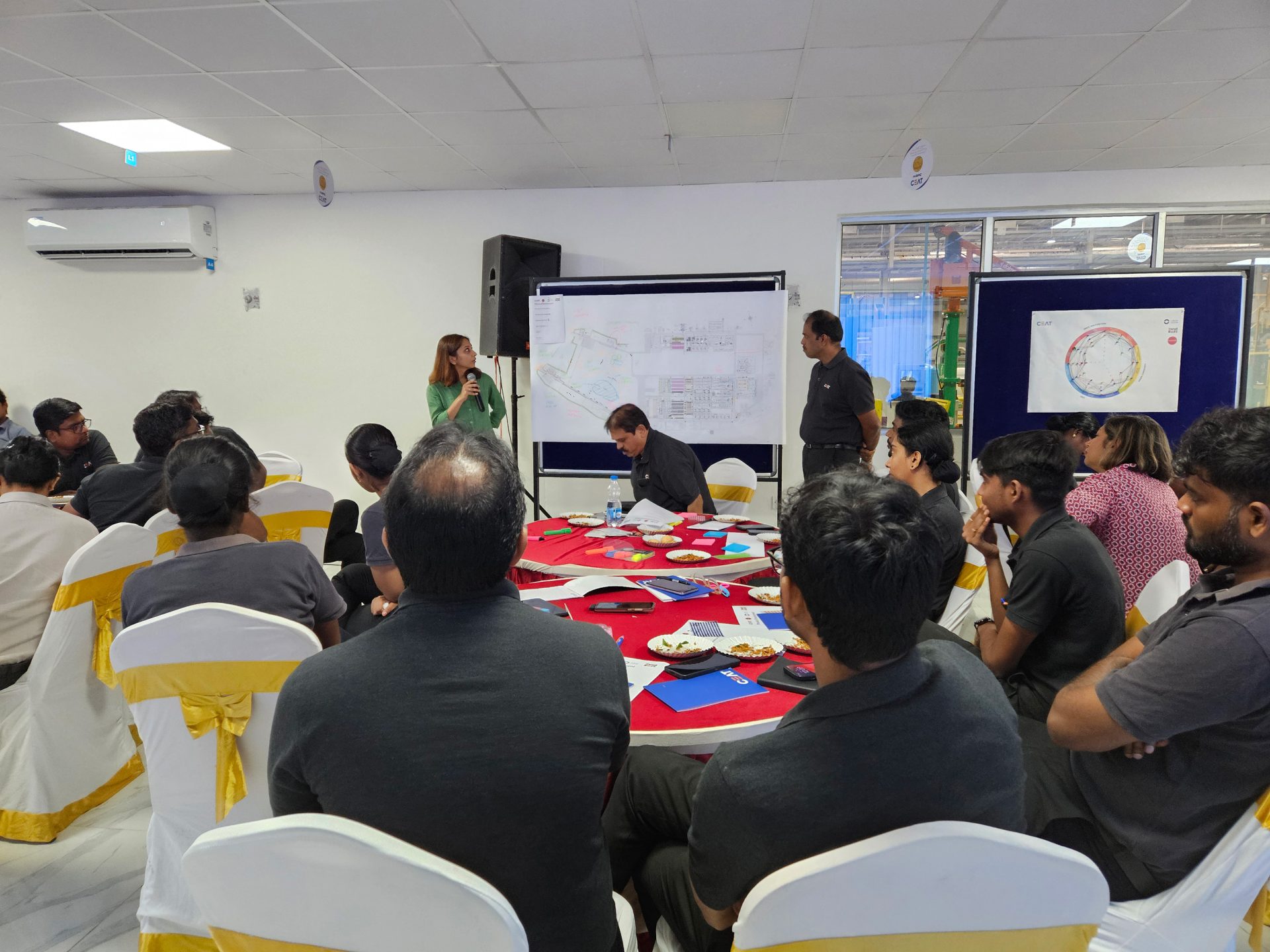
The journey began with a deep dive into the context of the project. Our goal was to understand not just the site but the ecosystem around it—the people working within the plant and those living in nearby villages and towns. We conducted a study of the physical site and held workshops with plant employees, ranging from machine operators to senior management. These sessions explored the concept of "place identity" and delved into aspirations, ideas, and challenges, focusing on themes like community engagement, identity development, and physical space. To immerse ourselves further, we visited nearby villages to engage with local communities. Stops included the women’s toilets refurbished by the RPG Foundation and the Aari embroidery workshop in Kannanthangal village, where women are upskilled to create intricate designs. We also traveled to Kanchipuram, the historic capital of the Pallava dynasty, famous for its temple architecture and silk saris. Here, we observed rituals, visited landmarks like the Kanchi Kailasanathar Temple, enjoyed South Indian cuisine, and attended a Bharatanatyam performance. This immersion helped us uncover the stories, aspirations, and challenges of the people who make up this vibrant ecosystem.
Strategic Location, Untapped Potential
Situated on 141 acres of land, the CEAT plant is strategically positioned near Kanchipuram, a city known for its rich cultural history and burgeoning infrastructure. It also lies within Sriperumbudur, envisioned as a secondary city for the Oragadam Industrial Corridor. Yet, Sriperumbudur remains underdeveloped. While it hosts residential clusters and a few hotels, it lacks the vibrancy and infrastructure to catalyse growth. Kanchipuram, however, offers a foundation for growth with its historical significance, cultural richness, and growing connectivity.
Workshops at the Head Office
After the initial exploration, we returned to CEAT’s head office to present our findings. These sessions engaged leaders from manufacturing, finance, marketing, and sustainability to generate a new layer of ideas. By combining diverse perspectives, the workshops yielded thought-provoking insights that were multi-faceted and future-oriented. This collaborative approach enriched the vision, ensuring that the master plan reflects not only operational efficiency but also the company’s long-term aspirations.
Insights Driving the Master Plan
The exploration and workshops revealed a clear set of insights that will shape the master plan:
- Identity and Heritage: The plan will honour the region’s rich cultural heritage and ground itself in the local, while creating a modern, future-ready space.
- Community and Engagement: Employees and local communities will see opportunities for personal growth, professional development, and well-being.
- Sustainability and Growth: The design will embed sustainable practices in technological advancement, supporting CEAT’s goals while uplifting the region economically and socially.
This approach imbibes the stories of the past while paving the way for a progressive, inclusive future.
A Shift in Approach
This project signals a shift in how master plans are conceived. Instead of focusing solely on function and flow, the CEAT plant’s master plan integrates human narratives, aspirations, and community development into its core.
The result is more than a factory—it’s a vision for growth, a hub of innovation, and a place where identity meets opportunity. By balancing functionality with humanity, CEAT is setting a precedent for how industrial developments can drive meaningful regional transformation.