Shaping Retail Spaces for 2026: Why Brand Identity Matters More Than Ever
Physical retail is experiencing a resurgence, and it is an opportunity to design with intention and care. A thoughtfully designed store can foster trust, transform a visit into a lasting relationship, and offer a brand a welcoming home that people genuinely want to return to. For us at Beyond Design, retail spaces are an extension of a brand’s story—a place where identity, comfort, and adaptability come together to create environments people feel connected to.
With this in mind, we have identified six guiding principles that shape modern approach to retail design for 2026 and beyond. Here, we share how these ideas come to life in our work.
1. Curated, Comfortable Stores Take Centre Stage
We are seeing a shift in physical retail from expansive, crowded stores to more intimate, thoughtfully curated spaces. Today’s shoppers arrive with intention, seeking environments that feel welcoming and focused rather than overwhelming. The most successful stores offer a sense of calm and comfort, with generous circulation, inviting places to pause, and layouts that gently guide visitors toward a selection of truly considered products. When every detail is purposeful, the experience feels personal from the moment someone steps inside—and it is this sense of care that encourages people to return.
Retailers embracing this approach see square footage as an opportunity for focus, not just scale. A smaller, carefully edited store can foster deeper loyalty, as every corner is shaped with intention and meaning.
Designers can bring this to life by:
• Editing the product story into a handful of clear categories rather than displaying everything at once
• Building in moments of pause, such as seating or breathing space, alongside the shopping journey
• Choosing finishes and lighting that feel warm and unhurried rather than transactional
• Letting circulation guide the eye toward a few standout pieces instead of competing displays
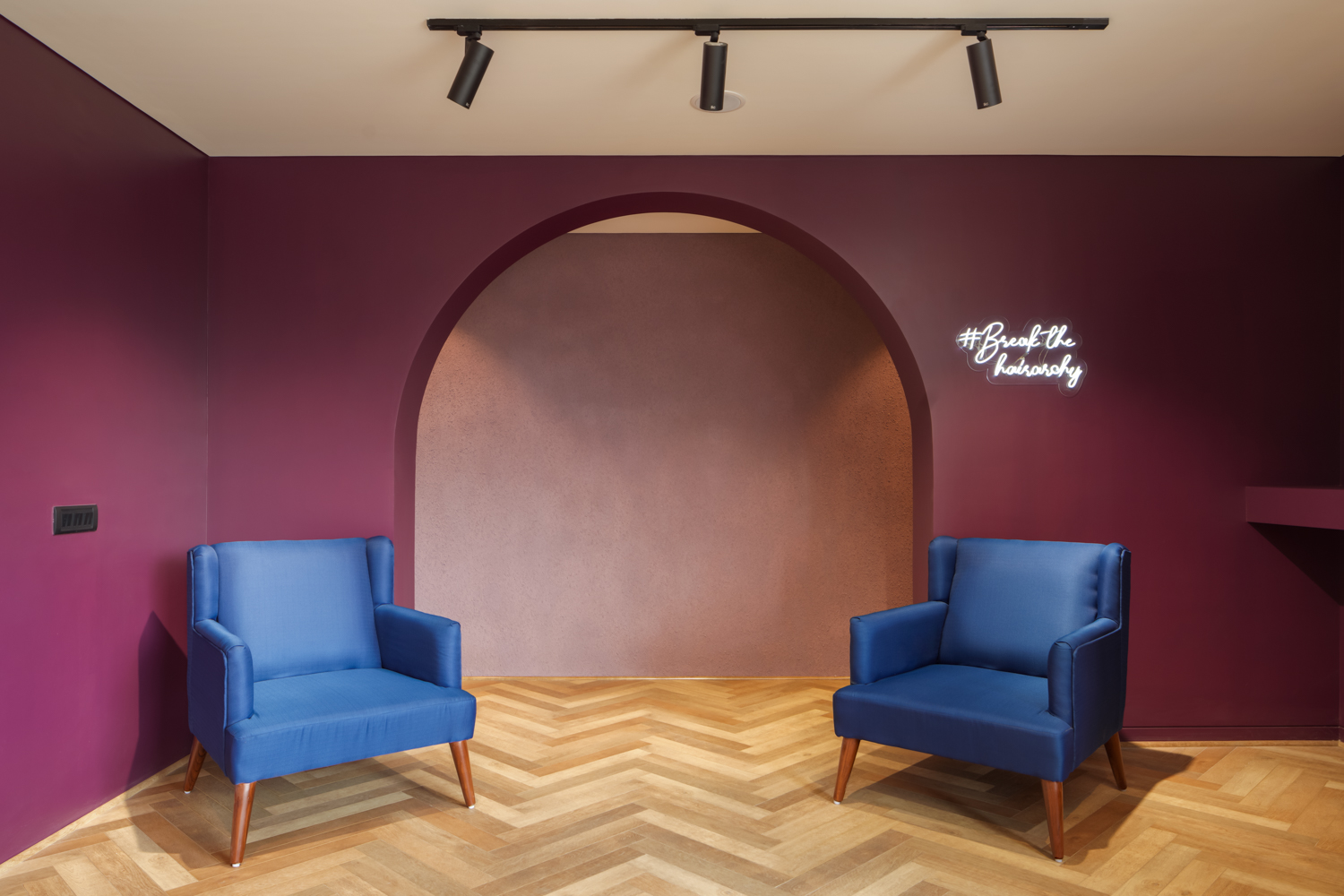
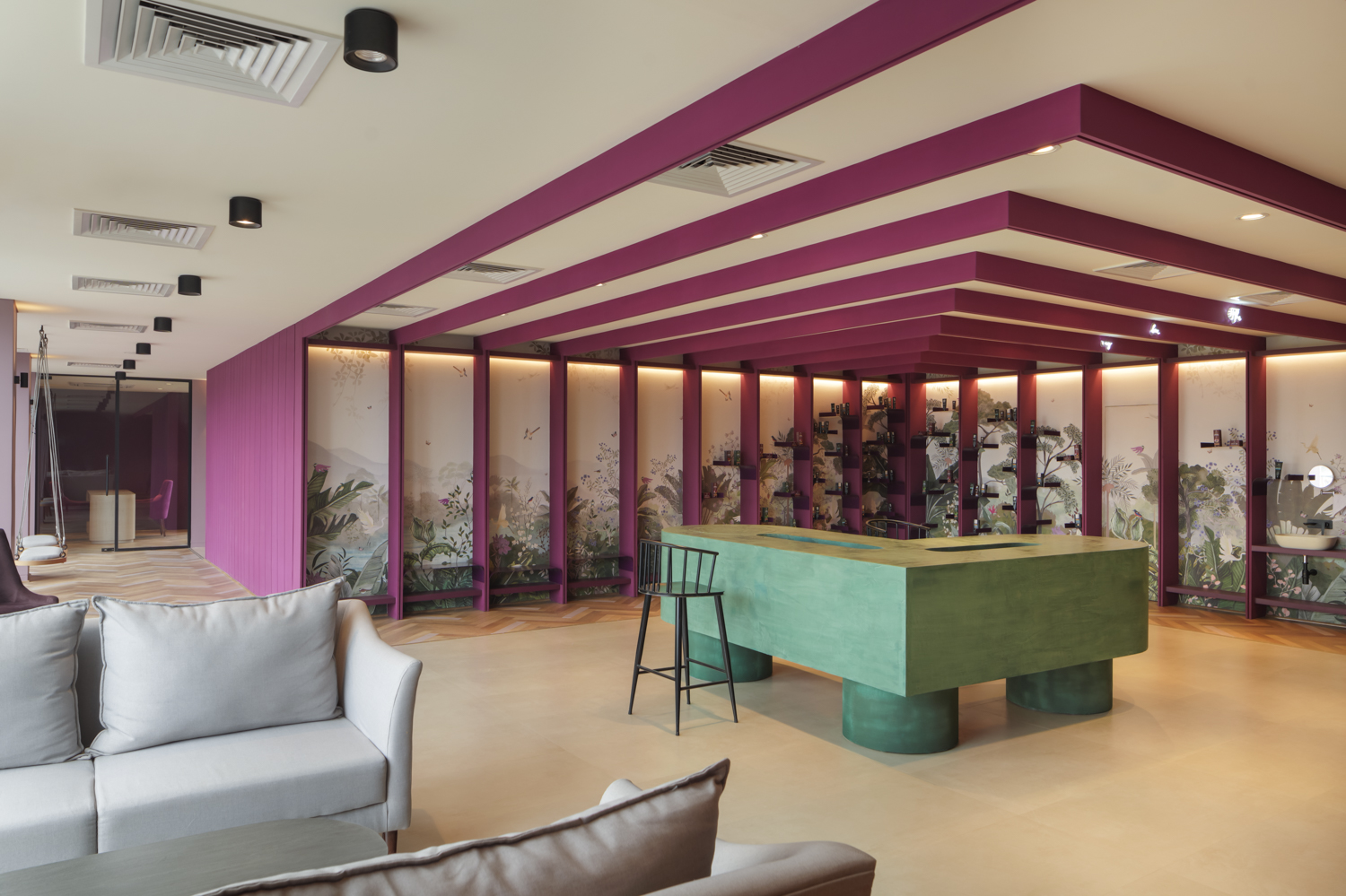
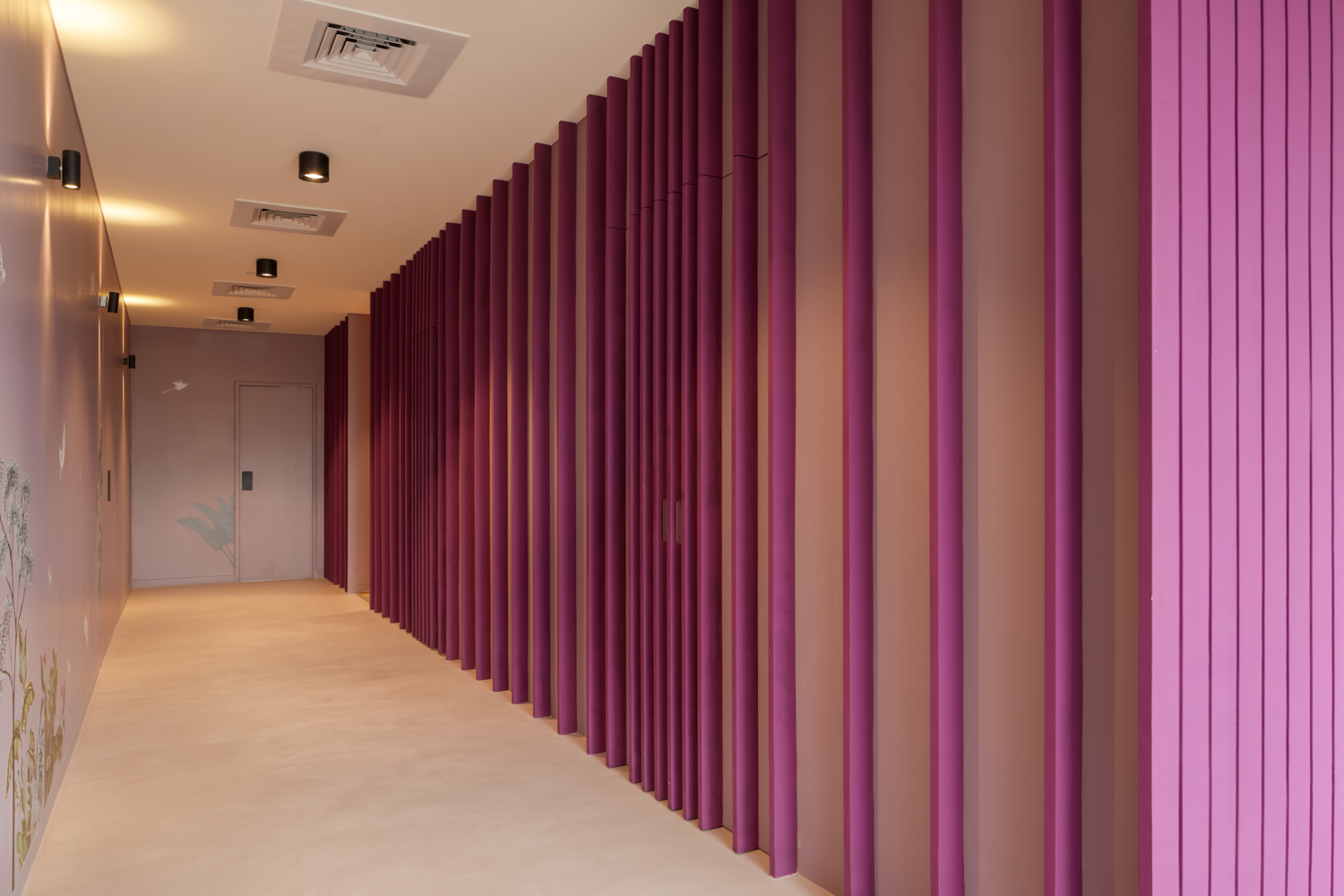
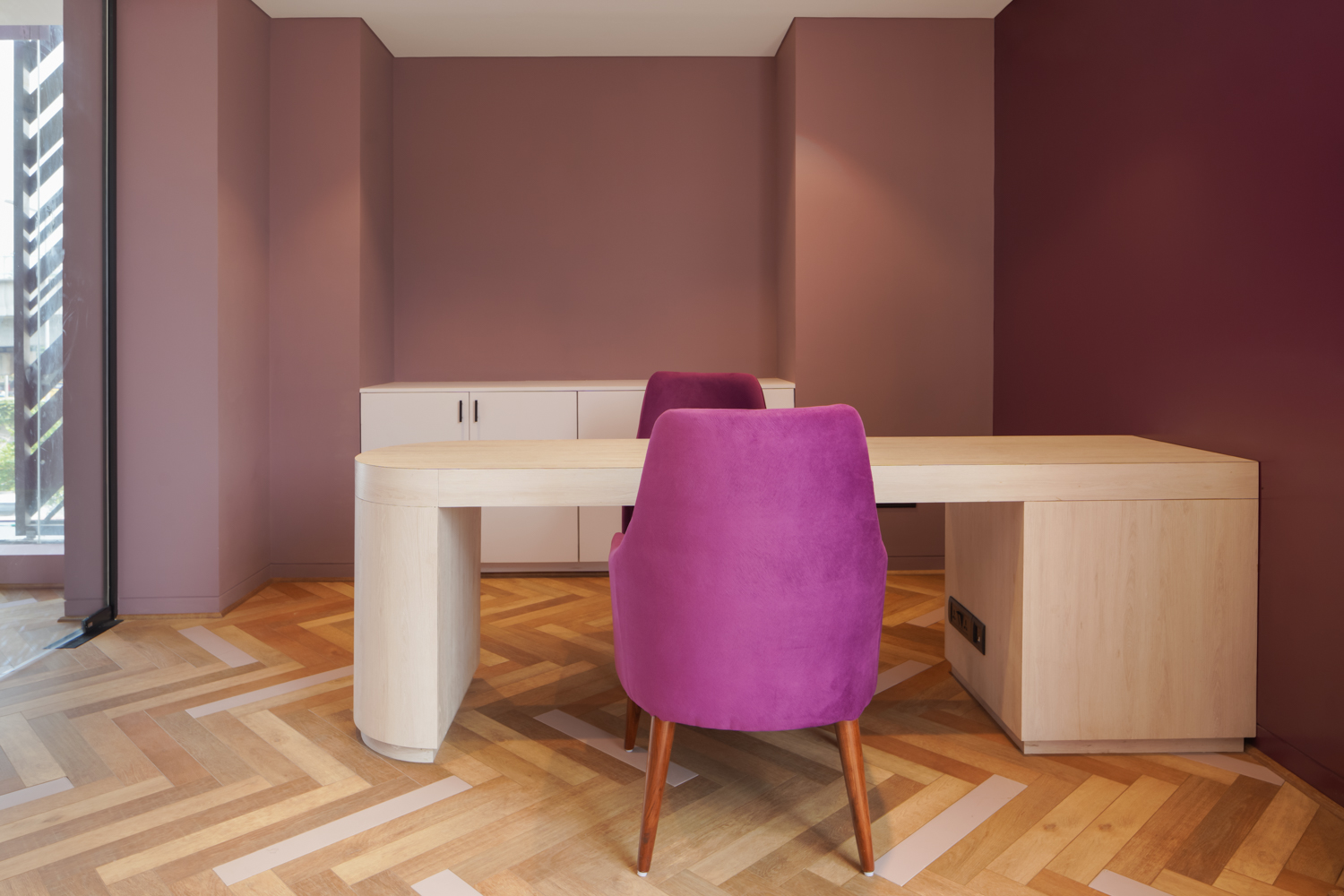
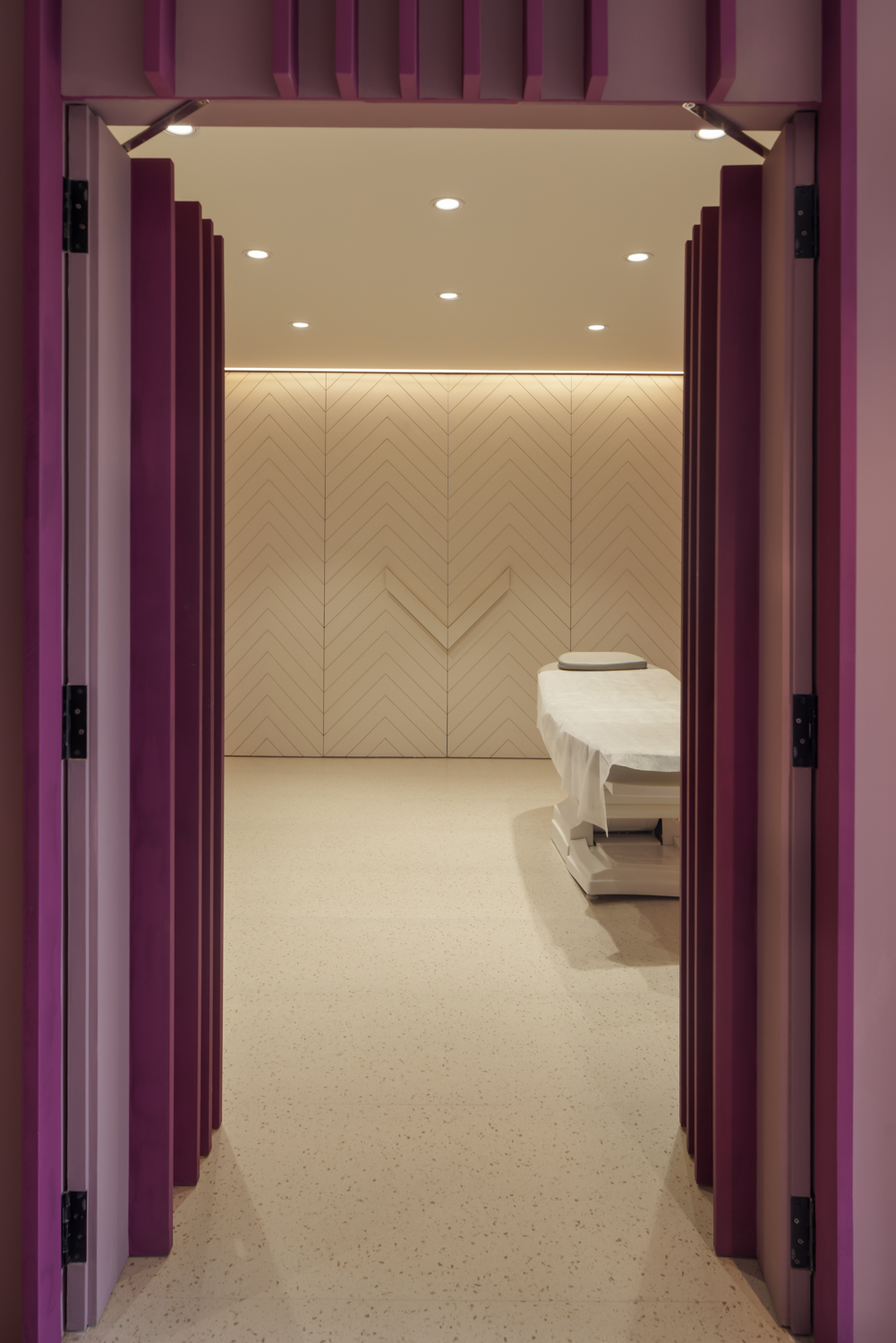
Our work for BSCW Bombae Laser in Delhi brings this approach to life. The space combines a curated grooming and skincare retail area with a wellness-focused experience, anchored by a cosy corner, inviting seating, and a warm palette of earthy tones. A sensory tunnel welcomes visitors, setting the tone for a thoughtful journey. The product selection is intentionally edited, allowing each item to play a clear role in the overall story.
2. Flexible, Modular Design That Grows With the Brand
Retail spaces that stand the test of time are those designed to evolve. Future-proofing means integrating flexible, modular systems from the beginning, so displays, fixtures, and layouts can adapt as a brand’s needs change. Multi-use displays and neutral plinths offer versatility, supporting a wide range of products with ease. This adaptability not only protects a retailer’s investment but also allows the store to remain fresh and engaging, season after season.
For example, a modular rail system can showcase a full seasonal collection one month and seamlessly support a product launch the next, all without altering the underlying architecture. This kind of flexibility helps a store stay relevant and responsive well beyond opening day.
Designers can bring this to life by:
• Specifying demountable, reconfigurable fixtures instead of fixed joinery
• Designing neutral plinths and display systems that suit multiple product categories
• Planning for seasonal change at the concept stage, not as an afterthought
• Choosing durable materials that can be rearranged and reused many times over
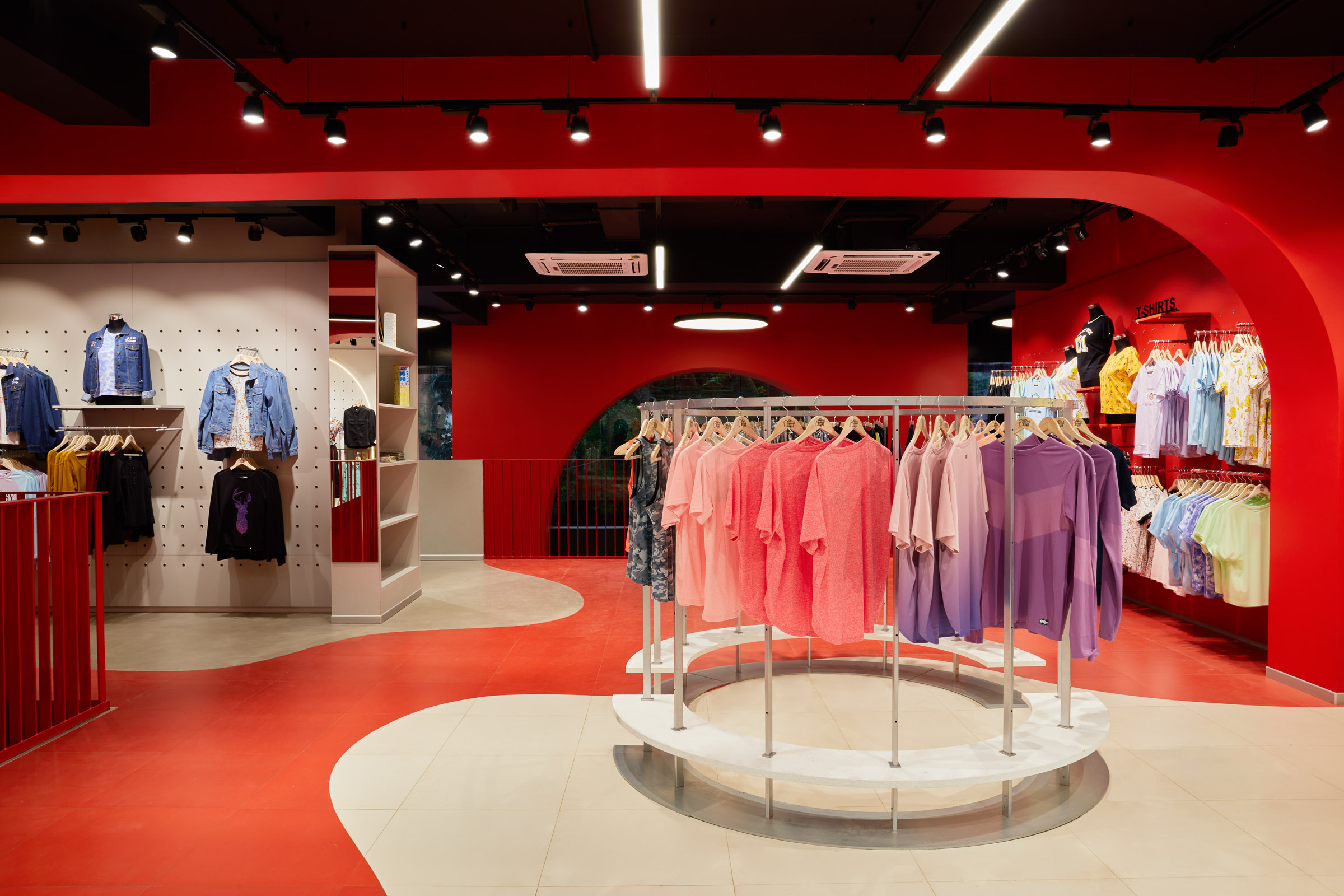
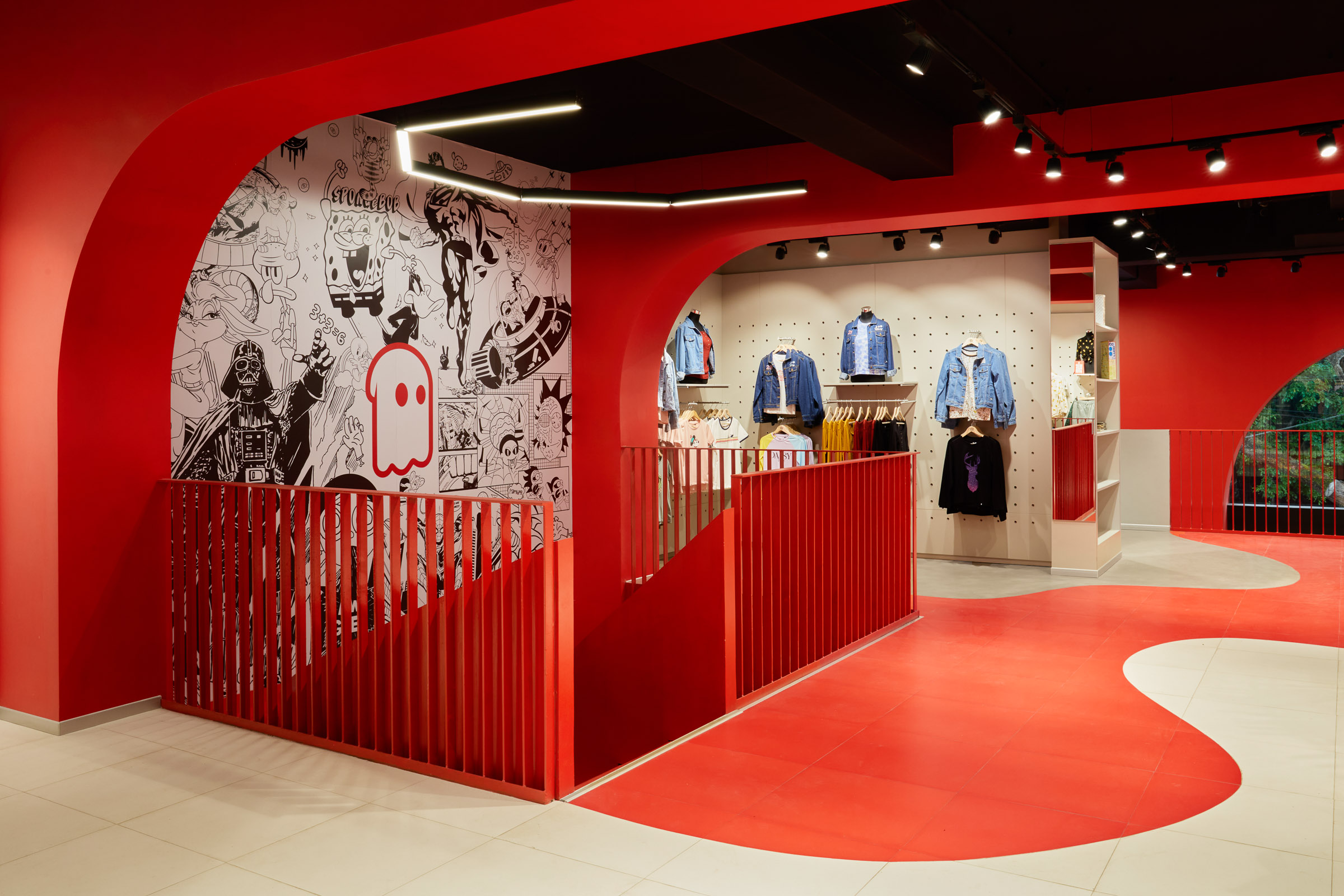
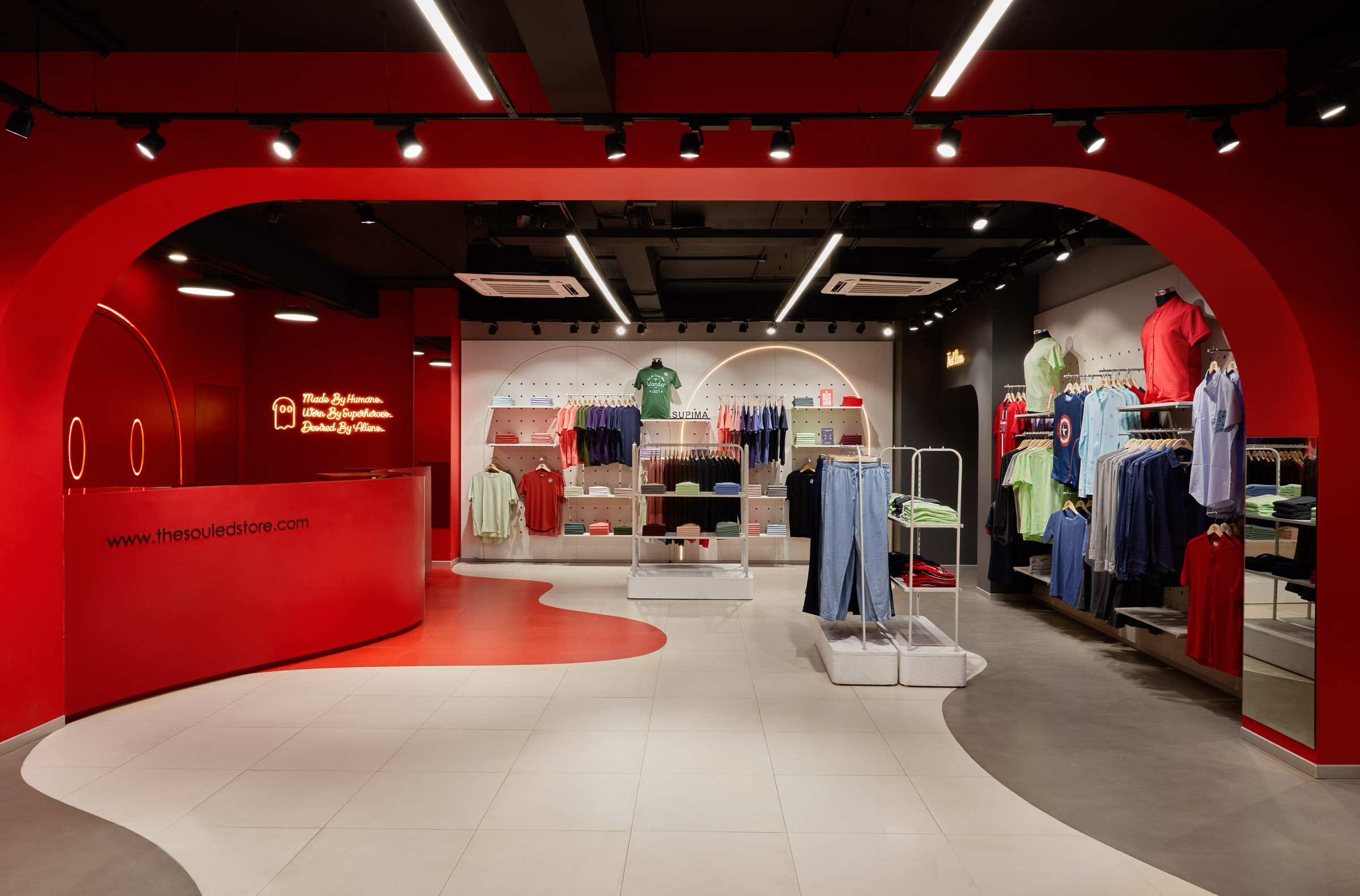
At The Souled Store in Bengaluru, we integrated flexibility into the store’s infrastructure with demountable modular wall panels and a versatile rod shelf system. This enables the team to easily reconfigure displays to support seasonal changes, new product launches, and evolving merchandising strategies, ensuring the store remains resilient and visually engaging.
3. Personalisation and Interactive Engagement
The most memorable stores in 2026 are those that invite people to engage with the space, not just browse. This begins with a deep understanding of a brand’s unique audience—their preferences and what draws them in—and translating that insight into interactive elements like layered surfaces, motion-responsive lighting, and graphics that shift as visitors move through the space. Often, the most engaging moments are tactile and physical rather than digital, allowing customers to experience them at their own pace and with greater impact.
When a store responds to how people move through it, rather than asking them to pause for a screen, it encourages curiosity and keeps visitors present in the experience.
Designers can bring this to life by:
• Researching a brand's specific customer base before designing engagement touchpoints
• Using layered materials, mirrored surfaces, and transforming graphics to reward exploration
• Choosing physical, static visual moments over rotating digital content where possible
• Designing circulation that naturally invites discovery rather than directing a single fixed path
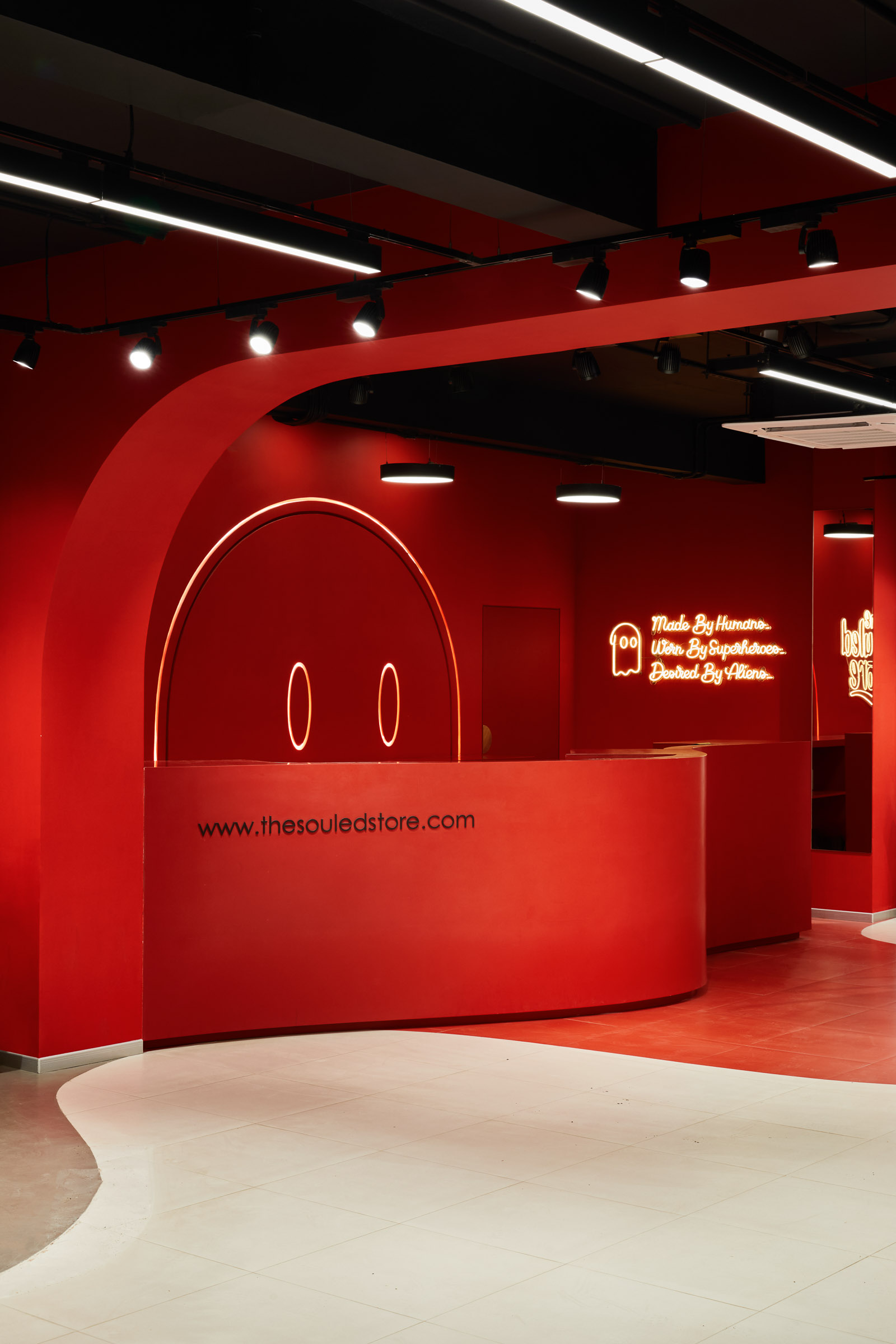
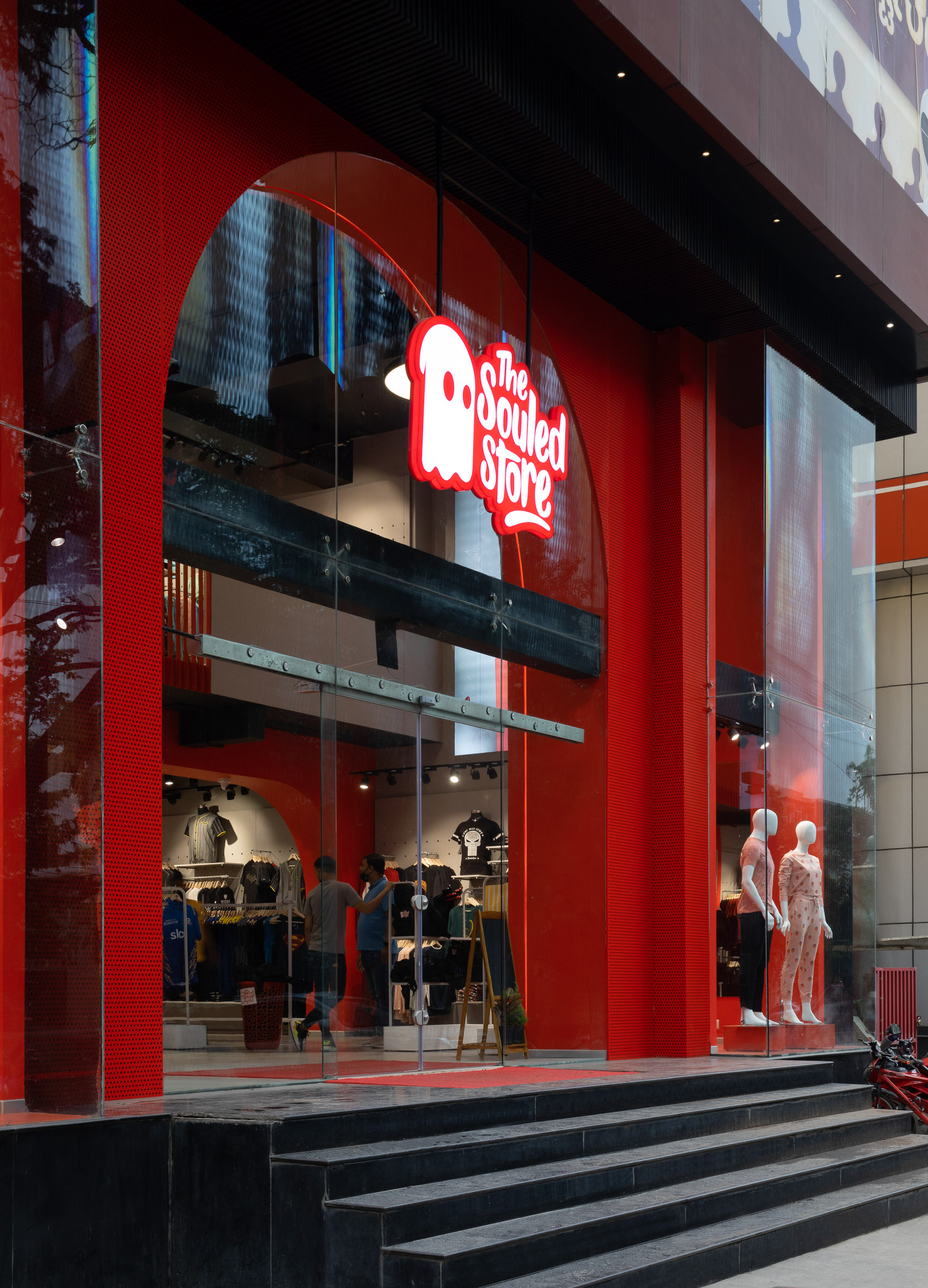
At The Souled Store flagship, this comes to life in the floor design, where two materials meet along gentle curves to define zones and guide movement naturally. With the addition of neon elements and a double height entrance, the space encourages discovery and playful interaction as people explore.
4. Shareable Showpiece Moments
Today’s most memorable retail spaces offer at least one moment that invites people to pause, capture a photo, and share their experience. Oversized elements, dramatic mirrors, podium displays, and floating risers create visual interest that extends a brand’s reach beyond the store itself. When paired with carefully integrated LED lighting, these showpiece moments help a store stand out in the streetscape and give visitors a reason to remember their visit.
Designers can bring this to life by:
• Identifying one or two focal points in the store that can carry real visual drama
• Using scale generously, through oversized elements or double height moments, to create impact
• Integrating LED lighting thoughtfully so it enhances rather than competes with the design
• Designing these moments with photography and sharing in mind from the outset
For BSCW Bombae Laser in Delhi, we created a dedicated cosy corner that serves as a selfie point, finished with backlit surfaces and neon lighting so it feels as inviting as it looks in photos.
5. Warm, Organic Materials: Biomorphic Design Meets Sustainable Choices
Retail interiors in 2026 are embracing warmth and softness, taking cues from nature with gentle curves, flowing lines, and rounded corners instead of sharp, geometric forms. This biomorphic sensibility aligns with a growing commitment to sustainable materials that contribute to a tactile, organic atmosphere while reducing environmental impact. These choices create calm, inviting spaces with subtle finishes and layered materials, and support displays designed for long-term use.
A rounded display plinth in a warm, natural material invites people to touch and linger in a way that sharp-edged, synthetic surfaces rarely achieve.
Designers can bring this to life by:
• Introducing curved forms and rounded edges into fixtures, plinths, and circulation
• Specifying recycled or renewable materials such as bamboo, plywood, or recycled acrylic
• Choosing energy-efficient lighting and low-waste modular systems as standard
• Designing displays for long-term reuse rather than single use installations
6. Building the Brand a Home
The most successful retail spaces feel unmistakably like the brand behind them, from the shop front to every display inside. This involves treating the store as a living expression of visual identity, with consistent colours, characters, and materials woven through every touchpoint to build lasting recognition. A clear, thoughtfully designed customer path—supported by focal points and feature walls—guides each visitor on an intuitive journey that reflects the brand’s desired atmosphere. When a shop front achieves this, it becomes a landmark that people recognise and return to.
A distinctive shop front can transform a passerby into a first-time customer before they even step inside.
Designers can bring this to life by:
• Embedding a brand's colours, characters, and materials from shop front to signage to interior
• Designing a clear, guided customer path supported by well-placed power walls
• Treating the shop front as a landmark moment, not just an entrance
• Keeping every touchpoint, from façade to till point, consistent with the brand's personality
This philosophy is central to our design for The Souled Store in Bengaluru. The store’s red logo and beloved character, Mr Soul, are integrated throughout the shop front, signage, interiors, and displays, creating a cohesive language that expresses the brand’s personality at every touchpoint. Even the circulation is guided by Mr Soul, offering customers an intuitive path that feels like a natural extension of the brand they know and love online.
Combining the Steps
The most successful retail spaces in 2026 will treat physical design as a true extension of the brand, not just a place to display products. Curated comfort, flexibility, thoughtful interaction, shareable moments, sustainable materials, and a strong sense of identity all come together to create memorable experiences. At Beyond Design, these principles guide every retail project we undertake.